What are gender roles?
Gender roles are defined as society’s concept of how men and women should look and act (Wade & Ferree, 2023). So when people think of roles tied to a certain gender, like “women are predisposed to be nurturing,” they are not born that way. Gender roles are learned through patterns of socialization.
Doing gender refers to how people express themselves through actions, behavior, and societal norms (Wade & Ferree, 2023). An example of doing gender is when a mom stays home with children while the father works. Both people are conforming to social expectations of women’s and men’s roles.
An example of gender roles can be how parents view moms as caregivers and dads as providers. This isn’t untrue, but it doesn’t apply to all parents and can be damaging to the understanding of different parenting roles.
Who did you grow up with as caregivers? Do you think this affected your perception of parenting?
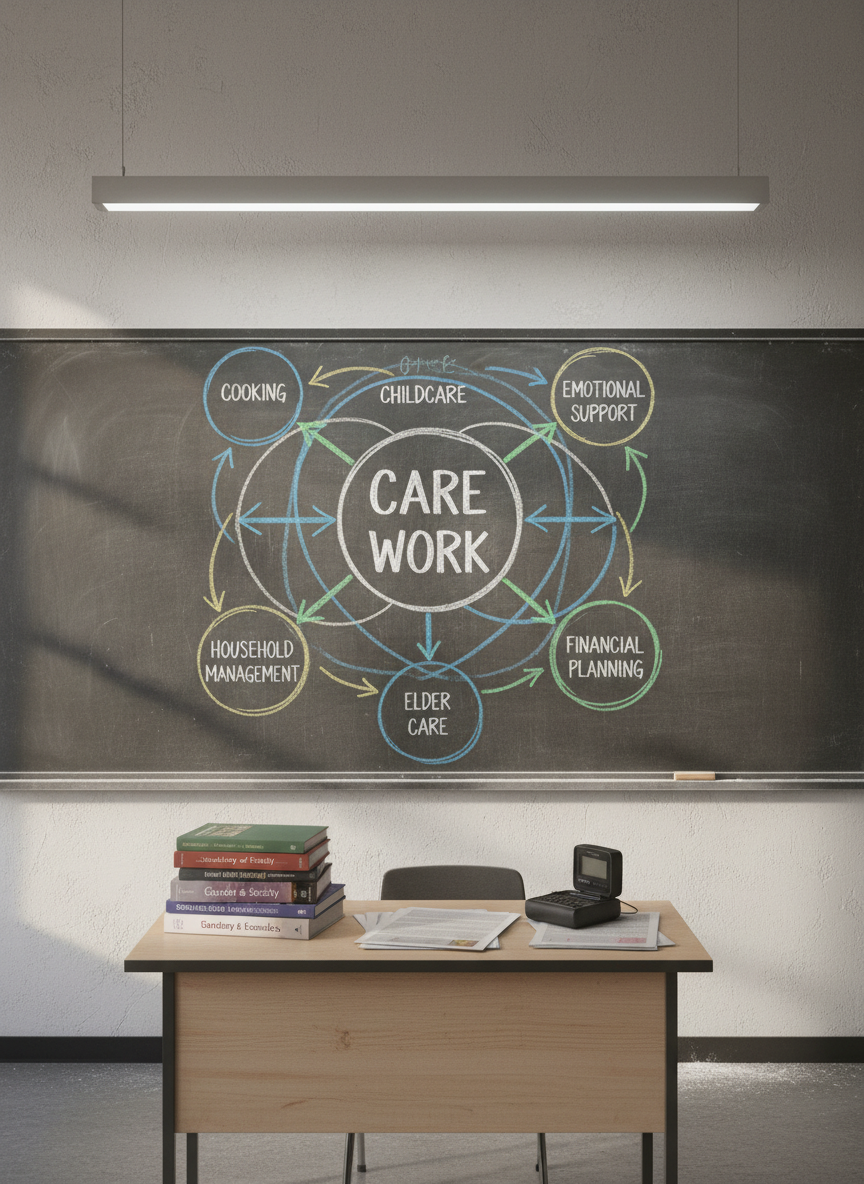
Parenting Expectations: Gender Rules & Judgment
Parenting isn’t just about ability—it’s shaped by expectations. Learn how gender rules and social pressure influence how we see moms and dads.

Single Fathers and What Research Shows
Are dads actually worse parents, or just pigeonholed as such? Find out what the studies show about single dads and kids.
Stigma & Challenges: When Fathers Care
Why are caregiving dads evaluated differently? Explore how stigma and intersectionality matter in how we perceive dads as caregivers.

 Rethinking Gender and Parenting: Why Caregiving Isn’t Just Women’s Work