Single Fathers and What Research Shows
What research tells us:
- Parent gender makes less of a difference to a child’s well-being than overall family stability, resources, and quality of parenting (Downey, Ainsworth-Darnell, & Dufur, 1998).
- Research has indicated that children of single fathers experience no overall disadvantage when compared to children of single mothers when families are similar in resources (Downey et al., 1998).
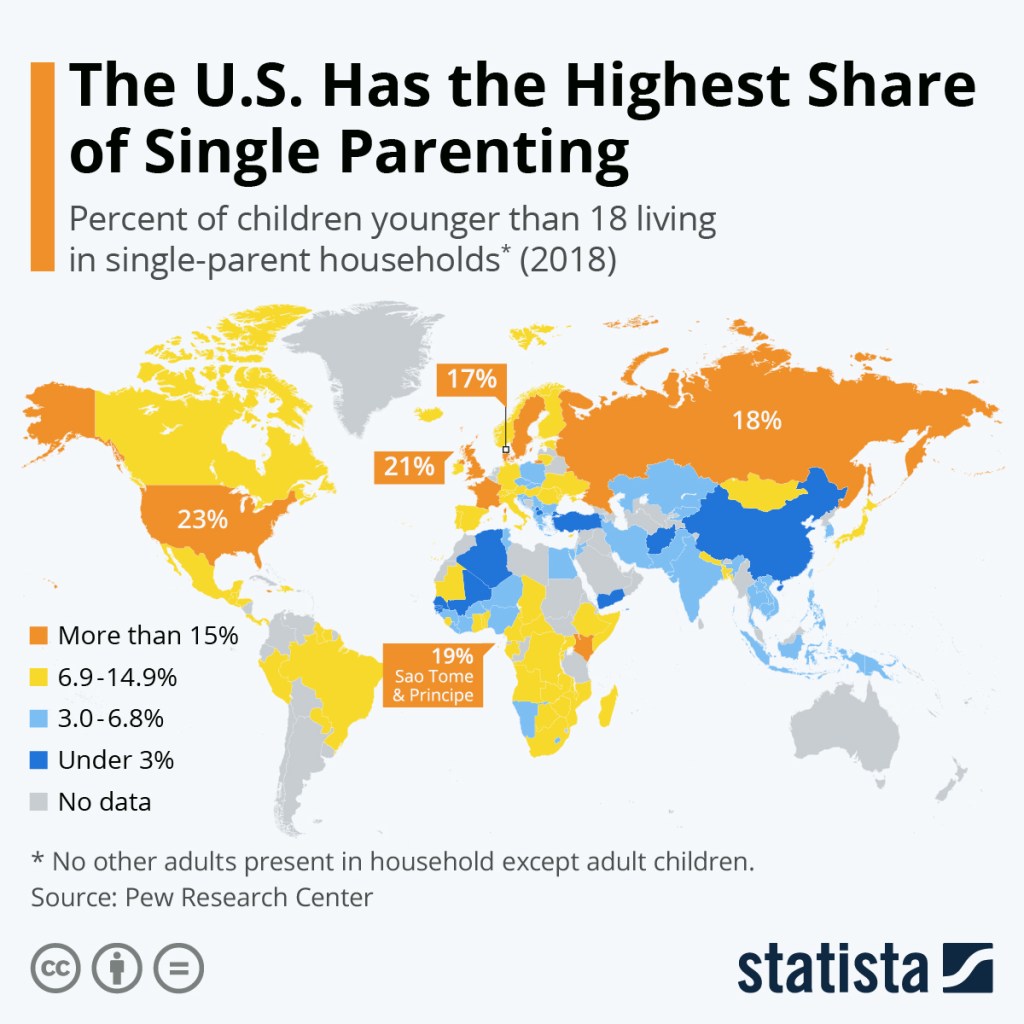
- Father-only households have been on the rise in recent years, rising to over 8% of U.S households, up from approximately 1% in 1960.
- Data also indicates that single fathers provide similarly high levels of daily care, including help with homework, meals, and emotional support.
- Outcome gaps can often be attributed to differences in income and available resources rather than parenting capability (Leininger, 2008).
- Social support networks are less commonly offered to single fathers (Leininger, 2008).
Key Insight:
Children in father-only households show similar social and academic performance to children in mother-only households when controlling for variables (Downey et al., 1998).
What’s important:
It’s not about the ability to parent; it’s about accessibility to resources and support.
 Rethinking Gender and Parenting: Why Caregiving Isn’t Just Women’s Work